Affordable Pond Cleaning Services for Clean & Healthy Water
Expert Pond and Lake Cleaning Services: Transform Your Water Bodies Through Professional Care
Specialist pond and lake care services are crucial to preserving the health of aquatic ecosystems. These professionals use advanced approaches to resolve multiple water quality issues that can arise. With the appropriate care, water bodies can thrive, supporting biodiversity and increasing property value. However, many property owners stay unaware of the particular challenges and solutions available. Understanding these factors is critical for efficient management and long-term results.
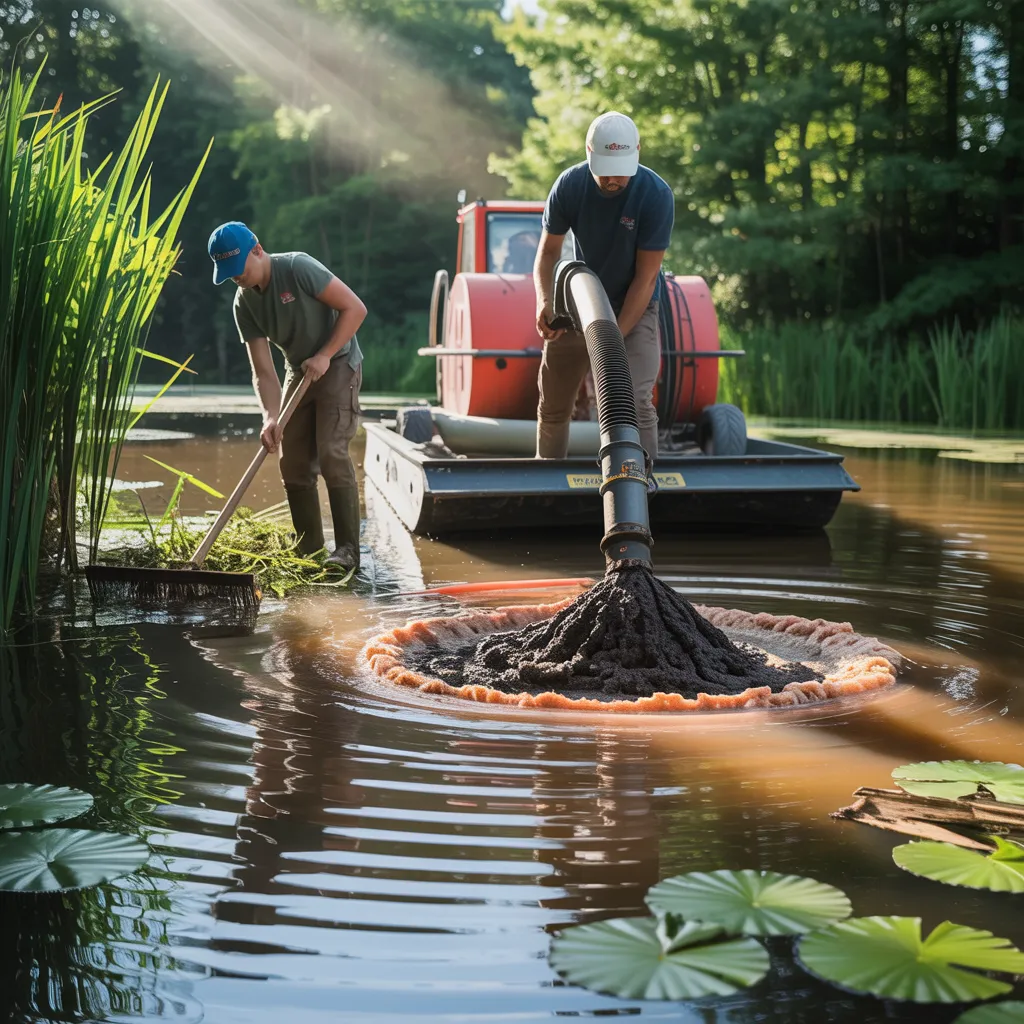
The Reasons Why Pond & Lake Cleaning Services Are Important for Water Quality
While many may overlook the significance of pond and lake cleaning services, these services serve an essential role in maintaining water quality. Regular cleaning helps eliminate excess nutrients, organic debris, and pollutants that can cause harmful algal blooms and reduced oxygen levels. These blooms can release toxins damaging to aquatic life and human health, making regular maintenance essential.
Furthermore, cleaning services promote biodiversity by guaranteeing a healthy habitat for fish and other aquatic organisms. They also assist in maintaining the aesthetic appeal of water bodies, which can enhance recreational activities and raise property values.
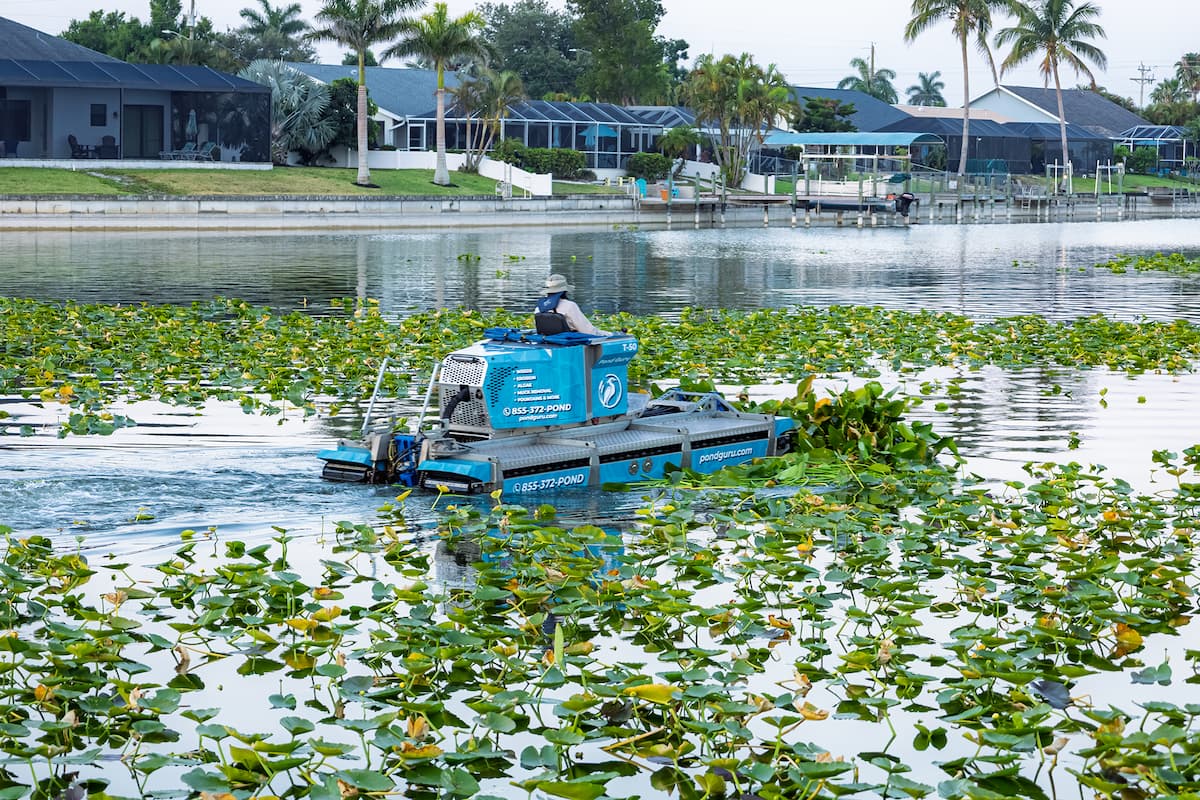
Additionally, the elimination of invasive species is vital for sustaining ecological balance. By implementing specialized techniques and equipment, professionals can successfully manage these threats, ensuring long-term sustainability. Finally, pond and lake cleaning services are vital to preserving water quality, fostering healthy ecosystems, and supporting community well-being.
The Way to Pick the Perfect Pond and Lake Cleaning Service for Your Requirements
Picking the right pond and lake cleaning service necessitates thorough consideration of several key factors. Service offerings should be assessed to guarantee they meet specific needs, while qualifications and experience play a crucial role in determining dependability. Additionally, comparing pricing options can help find a service that fits both financial plan and expectations.
Review Service Offerings Carefully
Upon selecting a pond and lake cleaning service, it is vital to examine the array of services provided to verify they align with individual needs. Various water bodies may require unique approaches, such as algae control, sediment removal, or habitat restoration. Assessing service packages can help pinpoint extensive solutions that address individual concerns. Additionally, inquire about specialized equipment and techniques applied, as these can significantly impact the effectiveness of the cleaning process. Understanding the frequency of services, such as seasonal or one-time cleanings, is also important for planning and budgeting. By meticulously reviewing service offerings, clients can make well-informed decisions that guarantee their aquatic environments receive the right care tailored to their unique requirements.
Assess Qualifications And Experience
Qualifications and experience are pivotal factors in picking a pond and lake cleaning service. Those seeking services should comprehensively review the credentials of the service providers they are considering. This includes checking for certifications, licenses, and relevant training in water body maintenance and environmental protection. Additionally, experience in the field can greatly influence the quality of service. Organizations with a well-established performance history are more likely to tackle multiple problems efficiently, from algae control to sediment removal. It is wise to request testimonials or case studies that highlight the service provider's expertise. A highly trained team not only provides compliance with regulations but also employs best practices for maintaining healthy water ecosystems. In the end, informed choices lead to better care for water bodies.
Evaluate Cost Options Strategically
When evaluating pond and lake cleaning services, evaluating pricing options is crucial for making an informed decision. Prospective customers should collect quotes from multiple providers, ensuring that they encompass all necessary services, such as algae removal, debris clearing, and water quality testing. It's crucial to evaluate what is included in each package, as lower prices may omit critical components. Clients must also consider the frequency of service offerings, as some companies supply one-time cleanings while others offer regular maintenance plans at varying costs. By measuring the value of each service compared to its price, clients can steer clear of hidden fees and select a cleaning service that best suits their budget and specific needs. This thorough comparison ultimately results in enhanced satisfaction and results.
Which Water Quality Issues Commonly Affect Ponds and Lakes?
What factors contribute to the degradation of water quality in ponds and lakes? Multiple typical problems impact these aquatic systems, predominantly triggered by human activity and environmental changes. Nutritional pollutants, frequently originating from agricultural runoff and urban development, causes excessive algae growth, which can exhaust oxygen levels and threaten aquatic life. Sediment deposition, stemming from erosion and construction, can cloud water and bury fish habitats. Furthermore, the introduction of invasive species destabilizes local ecosystems, displacing native species and altering food webs. Pollutants from industrial and residential sources releases harmful chemicals and pathogens, additionally compromising water quality. Temperature fluctuations stemming from climate change can also affect the balance of aquatic ecosystems. Collectively, these factors create a complex interplay of challenges that demand careful management and intervention to repair and copyright the health of ponds and lakes.
How Can Common Water Quality Problems Be Resolved?
Successful control of typical water quality issues in ponds and lakes frequently entails targeted solutions. Algal bloom management techniques and the implementation of aeration systems are two approaches that can substantially boost water clarity and health. These approaches not only tackle immediate problems but also encourage long-term ecological balance.
Approaches to Algal Bloom Management
Many strategies exist for handling algal blooms, which create significant challenges to water quality in aquatic environments. One proven method is the implementation of nutrient reduction techniques, concentrating on minimizing phosphorus and nitrogen inputs from runoff. Furthermore, the use of biological controls, such as introducing particular species of fish that consume algae, can help sustain balance in aquatic ecosystems. Regular monitoring and testing of water quality can recognize early signs of algal growth, facilitating timely intervention. Another approach involves physical removal of algae through skimming or vacuuming to prevent further spread. Lastly, applying eco-friendly algaecides can provide targeted control without harming beneficial organisms. Each method helps in preserving the health and clarity of water bodies.
Aeration System Advantages
How can aeration systems boost water quality in ponds and lakes? Aeration systems add oxygen into water bodies, encouraging aerobic conditions that are essential for healthy aquatic life. By increasing dissolved oxygen levels, these systems help reduce common water quality issues such as nutrient overload and stagnation. Increased oxygen levels support beneficial bacteria that decompose organic matter, reducing muck accumulation and enhancing overall clarity. Furthermore, aeration interrupts the growth of harmful algae by restricting their access to stagnant conditions, thereby tackling algal blooms effectively. These systems can also aid in temperature regulation, creating a more stable environment for fish and other organisms. In summary, aeration systems serve as an essential tool in preserving the health and balance of aquatic ecosystems.
The Way Regular Maintenance Improves Pond and Lake Health
What makes regular maintenance vital for pond and lake health? Regular maintenance plays an important role in sustaining the ecological balance of these water bodies. By routinely removing invasive plant species, debris, and excess algae, maintenance stops nutrient overload, which can lead to harmful algal blooms. In addition, regular monitoring of water quality verifies that parameters such as dissolved oxygen, pH, and nutrient concentrations remain within healthy ranges.
Routine inspections and maintenance activities also contribute to the general biodiversity of ponds and lakes, establishing a more conducive read the information environment for fish, amphibians, and aquatic plants. Additionally, sustaining proper water circulation through aeration can improve oxygen levels, benefiting aquatic life. On the whole, continuous upkeep not only elevates the visual attractiveness of water bodies but also encourages sustainable ecosystems, protecting their value for future generations. Ongoing maintenance is, thus, a vital aspect of effective water body management.
How Effective Are Professional Pond and Lake Cleaning Solutions So Effective?
Though many property owners may try DIY approaches for pond and lake cleaning, professional solutions typically deliver outstanding results. Experts employ advanced techniques and equipment tailored to effectively remove debris, control algae growth, and maintain water clarity. Their thorough approach not only addresses immediate concerns but also supports long-term ecosystem health.
Specialized services analyze the specific needs of each water body, employing methods such as aeration, sediment removal, and biological treatments. This strategic method guarantees a balanced aquatic environment, supporting the growth of beneficial organisms while reducing harmful pollutants. In addition, trained professionals can detect potential issues before they escalate, saving property owners valuable time and resources in the long run.
In addition, continuous maintenance programs delivered by professionals can help preserve the enhanced conditions attained through initial cleaning, making certain that ponds and lakes remain vibrant and vital. Overall, the expertise and resources offered by professionals considerably enhance the effectiveness of pond and lake cleaning solutions.
What Determines the Expense of Pond and Lake Care?
Numerous factors affect the cost of pond and lake cleaning, such as the size of the water body, the degree of the cleaning required, and the specific services opted for. Larger water bodies commonly incur steeper costs due to the greater labor and equipment essential for effective cleaning. The condition of the pond or lake also plays a significant role; heavily affected or overgrown areas require more intensive intervention, driving up overall expenses.
Additionally, the choice of services can substantially affect costs. For instance, basic cleaning may include surface debris removal, while extensive services could include sediment removal, aeration, and chemical treatments. Timing factors can further influence pricing, as specific times of the year may require specialized services. Lastly, geographical location and accessibility can also affect labor costs, making regional variations a factor in total pricing. Understanding these aspects helps property owners budget effectively for pond and lake maintenance.
Long-Range Advantages of Putting Resources Into Professional Lake and Pond Management
Putting money into professional pond and lake care delivers significant long-term benefits that go beyond instant cleaning costs. Regular maintenance guarantees that water bodies remain healthy ecosystems, promoting biodiversity and supporting aquatic life. A well-maintained pond or lake reduces the chance of harmful algal blooms, which can present risks to both human health and wildlife.
Moreover, professional care avoids sediment buildup and minimizes the frequency of costly interventions in the future. By preserving water clarity and quality, property values can be preserved or even enhanced, supporting homeowners and communities alike.
Furthermore, professional services regularly supply expertise in sustainable practices, enhancing the ecological balance and overall aesthetics. This not only creates a more pleasant environment for recreational activities but also lessens the environmental impact. As a result, the long-term investment in pond and lake care produces environmental, financial, and aesthetic rewards that promote the overall vitality of the surrounding community.
FAQ
What Credentials Should I Look for in a Pond Cleaning Company?
When choosing a pond cleaning service, you should evaluate qualifications such as certifications in environmental science, experience in aquatic ecosystems, customer reviews, insurance coverage, and a complete understanding of local regulations related to water body maintenance.
How Often Should I Schedule Professional Cleaning for My Lake or Pond?
Expert cleaning needs to be arranged at least one time annually for lakes and ponds, though more regular upkeep may be needed depending on considerations like water quality, vegetation growth, and local wildlife activity.
Are Environmentally Safe Cleaning Solutions Available for Water Bodies?
Sustainable cleaning alternatives for water bodies do exist. These strategies regularly leverage eco-friendly products and methodologies, supporting environmental preservation while successfully handling algae, debris, and pollutants, providing a more vibrant ecosystem for aquatic species and surrounding areas.
Should I Attempt to Clean My Pond or Lake Myself Instead of Hiring Experts?
While cleaning a pond or lake by yourself is achievable, it necessitates substantial knowledge and effort. Aspects such as water quality, ecological balance, and safety considerations should be assessed to avoid unintended detrimental results from inappropriate cleaning procedures.
What Occurs When I Ignore My Pond or Lake Maintenance?
Ignoring pond or lake maintenance leads to algae overgrowth, diminished water quality, and potential fish kills. Accumulated debris can create unpleasant odors, encourage mosquito breeding, and ultimately, result in a degraded ecosystem demanding costly restoration.